Effective Use of Color in Apartment Spaces
Transforming your apartment doesn't always require extensive renovations. Often, a simple change in color can significantly elevate the space's ambiance. This article explores how the effective use of color can lead to quick and cost-effective improvements in your living space.
Understanding the Psychology of Color
The way we perceive color significantly impacts our mood and behavior. According to research by the Institute for Color Research, people make a subconscious judgment about an environment within 90 seconds of initial viewing, and between 62% to 90% of that judgment is based solely on color.

"Color is the keyboard, the eyes are the harmonies, the soul is the piano with many strings." - Wassily Kandinsky
Choosing the Right Colors for Your Space
Experts recommend considering the following principles when selecting colors for your apartment:
- Warm Colors: Colors like red, orange, and yellow typically evoke warmth and comfort. These shades can make a space feel cozy but should be used in moderation as they may also increase energy and anxiety levels.
- Cool Colors: Blues, greens, and purples often create a sense of calm and tranquility. These colors are generally recommended for bedrooms and relaxation areas.
- Neutral Colors: Shades like beige, gray, and white can serve as a balanced backdrop, allowing you to add vibrant accents without overwhelming the space.
Practical Application: How to Implement Color Changes
Implementing color changes in your apartment can be straightforward and effective. Here are some practical steps to consider:
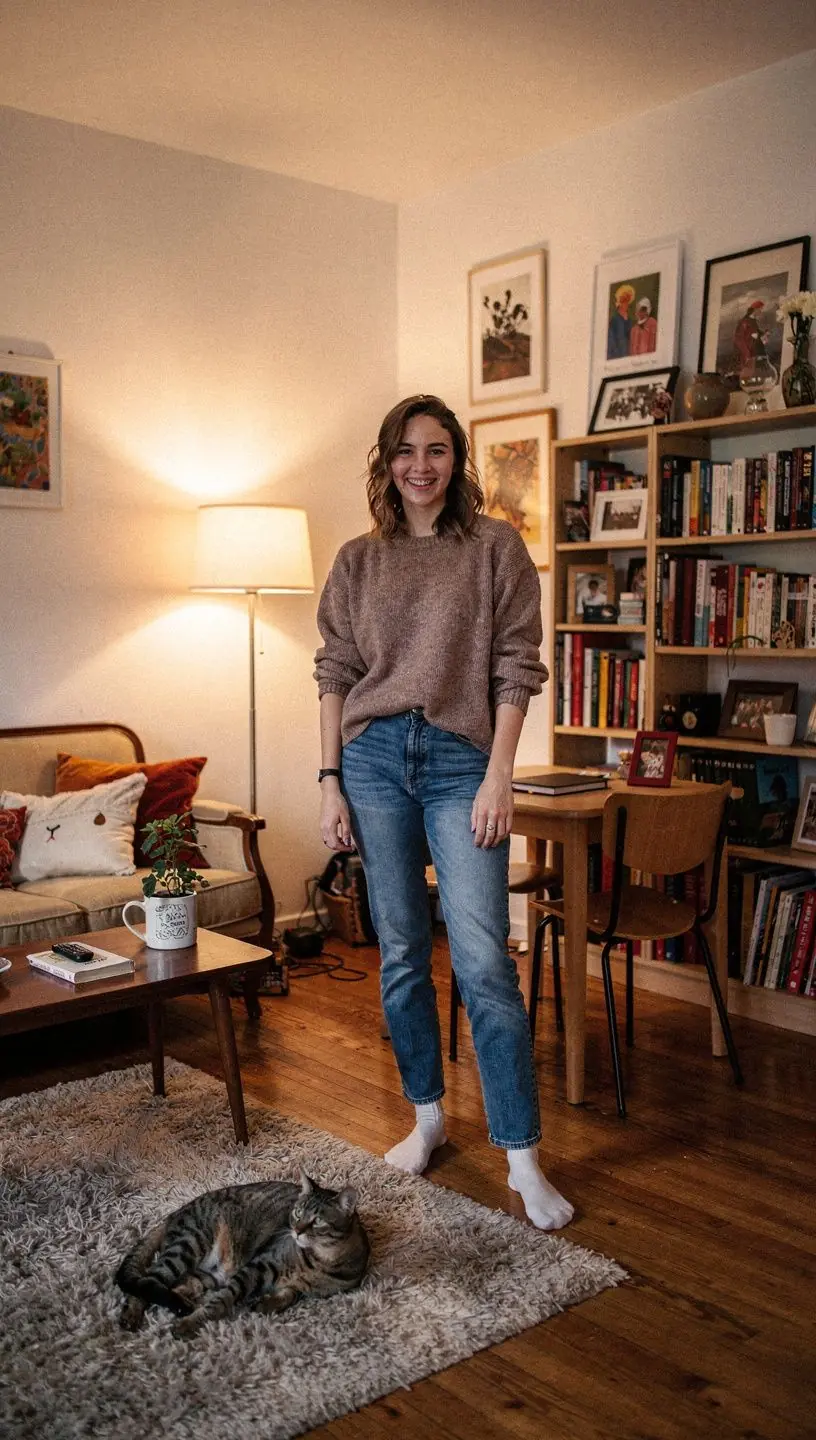
- Start Small: If you're new to color changes, begin with smaller items such as cushions, throws, or artwork. This approach allows you to experiment without committing to a full-scale repaint.
- Accent Walls: Consider painting one wall a bold color to create a focal point. Research indicates that accent walls can enhance spatial perception and create visual interest.
- Layering Colors: Use a combination of colors through accessories and décor. For example, a cool-colored rug paired with warm-colored curtains can create a balanced and inviting atmosphere.
Considerations and Limitations
While color can transform your apartment, it's essential to acknowledge some limitations:
- Changing colors typically requires time to plan and implement; a project can take anywhere from a few days to a couple of weeks, depending on your chosen method.
- Some color combinations may not work well together, so it's wise to test samples before making a commitment.
- Effective use of color often requires an understanding of lighting in your space, as natural and artificial light can significantly alter color perception.
Conclusion
Incorporating color into your apartment space can lead to significant improvements in both aesthetics and mood. By understanding the psychological impact of color and applying practical methods for implementation, you can achieve a transformed environment that reflects your personal style. Remember, the journey typically involves a blend of experimentation and learning, allowing you to create a space you truly enjoy.